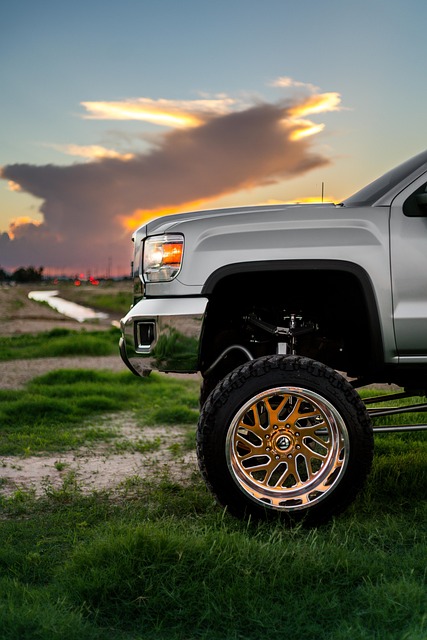
RGV wheels and tires are essential components of any vehicle, but the clutch system is a critical element that facilitates smooth gear changes. This article delves into the intricacies of clutches, exploring their function, types, benefits, maintenance, and frequently asked questions to empower RGV owners with knowledge for optimal performance and safety.
Introduction: The Crucial Role of Clutches in RGV Wheels & Tires
RGV wheels and tires play a pivotal role in enhancing vehicle performance and driver control. However, the clutch system, often overshadowed by its flashy counterparts, is the unsung hero that ensures a seamless driving experience. This comprehensive guide will explore the inner workings of clutches, their significance in RGVs, and practical insights to help owners maximize their vehicle’s potential.
Understanding Clutches: The Backbone of Gear Changes
What Is a Clutch?
A clutch is a mechanical device that temporarily connects or disconnects two rotating shafts, enabling smooth gear shifts without interrupting power transmission. In an RGV (or any vehicle), it facilitates the transition between gears, allowing drivers to change speeds efficiently and safely.
How Does a Clutch Work?
At its core, a clutch system consists of:
- Clutch Plate: A thin disc with friction materials on both sides, pressed against the flywheel by a release bearing.
- Flywheel: A heavy metal disk that stores rotational energy from the engine.
- Release Bearing: Applies or removes pressure on the clutch plate to engage or disengage the connection.
When you depress the clutch pedal, the release bearing lifts pressure off the clutch plate, disconnecting it from the flywheel. This allows the driver to change gears without the engine stalling. Releasing the pedal re-engages the clutch, restoring power transmission.
Types of Clutches: Diversity in Functionality
Mechanical Clutches
Mechanical clutches are the most common type found in RGVs. They use a mechanical lever connected to a release bearing to control engagement and disengagement. These offer precise control and are known for their reliability.
Hydraulic Clutches
Hydraulically-operated clutches use pressurized fluid to engage or disengage. This design allows for quicker response times and smoother operation, making them popular in performance vehicles. Many modern RGVs employ hydraulic clutches for enhanced driving dynamics.
Automatic Clutches (CVT)
Some advanced RGV models feature Continuously Variable Transmissions (CVTs), which don’t have traditional clutches. Instead, they use belt or chain systems to vary gear ratios continuously, providing seamless power delivery without gear changes.
Benefits of Well-Maintained Clutches in RGV Wheels & Tires
- Smooth Driving Experience: A well-functioning clutch ensures smooth and rapid gear shifts, enhancing overall drivability.
- Engine Efficiency: By allowing for more precise gear selection, clutches optimize engine performance and fuel efficiency.
- Reduced Wear and Tear: Regular clutch maintenance can extend the lifespan of your RGV’s transmission and other components.
- Safety: A faulty clutch can lead to stalling or poor control. Regular checks ensure safety while driving.
- Enhanced Performance: In performance RGVs, hydraulic clutches offer superior responsiveness, allowing for more agile handling and quicker acceleration.
Clutch Maintenance: Ensuring Longevity of Your RGV Wheels & Tires
Regular clutch maintenance is crucial for optimal performance and longevity. Here’s a breakdown:
Scheduled Inspection
Follow your vehicle manufacturer’s recommended service intervals for clutch inspections. During these checks, mechanics will:
- Inspect the clutch plate for wear or damage.
- Examine the release bearing for excessive wear or contamination.
- Check for leaks in hydraulic systems.
- Ensure proper adjustment of clutch pedal travel.
Wear and Tear Management
Clutch components are subject to wear over time, especially in vehicles with high mileage or aggressive driving styles. Be vigilant for:
- Clutch Pedal Feel: If the pedal feels spongy or requires excessive effort, it might indicate a worn clutch master cylinder or slave cylinder.
- Gear Shifting Issues: Difficulty changing gears or jarring sensations could signal a problem with the clutch itself or its components.
- Leaking Fluids: Hydraulic leaks should be promptly addressed to prevent damage to the clutch system.
Replacement Parts and Timing
Clutch replacement parts vary based on vehicle make, model, and year. Generally:
- Clutch Kit: Includes the clutch plate, pressure plate, throwout bearing, and sometimes other components. It’s recommended every 50,000 to 70,000 miles, but this varies by manufacturer and driving conditions.
- Hydraulic Components: Master and slave cylinders should be replaced every 30,000 to 60,000 miles or as recommended by the manufacturer.
Frequently Asked Questions (FAQs)
1. How do I know if my RGV clutch needs replacing?
If you experience difficulty changing gears, a spongy clutch pedal, or unusual noises during gear changes, it’s advisable to have your vehicle inspected by a qualified mechanic. They can diagnose the issue and recommend appropriate repairs.
2. Can I drive my RGV with a faulty clutch?
Driving with a severely damaged or faulty clutch is not recommended due to potential safety risks and further damage to the transmission system. If issues are detected, address them promptly to avoid complications.
3. What factors contribute to clutch wear?
Clutch wear can be accelerated by aggressive driving, frequent towing, off-roading, or poor maintenance practices. Regular driving with proper techniques can help prolong clutch life.
4. Are there performance benefits to upgrading my RGV’s clutch?
Upgrading to a high-performance clutch in your RGV can significantly enhance drivability, especially if you enjoy track days or off-road adventures. It allows for quicker gear changes, improved responsiveness, and more precise control during demanding driving conditions.
5. Can I install a new clutch myself? Is it a difficult task?
While some clutch replacements can be DIY projects for experienced mechanics, most RGVs require specialized tools and knowledge to ensure proper installation. It’s generally recommended to leave clutch repairs and installations to qualified technicians to avoid damage or safety hazards.
Conclusion: Prioritizing Clutch Care for Optimal RGV Performance
The clutch system in your RGV wheels and tires is a complex yet essential component that deserves careful attention. Understanding its function, recognizing maintenance cues, and addressing issues promptly will contribute to a smooth, efficient, and safe driving experience. By investing in regular clutch maintenance and considering upgrades when necessary, you’ll unlock the full potential of your RGV, ensuring it remains a reliable and enjoyable companion for years to come.