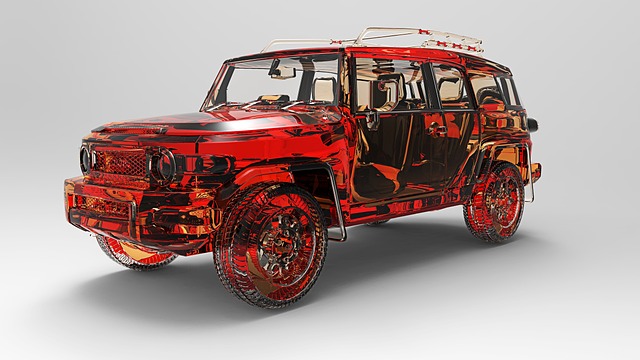
RGV wheels and tires are essential components of any vehicle, and understanding their clutches is crucial for optimal performance and safety. This article delves into the role of clutches in RGV wheels and tires, exploring types, benefits, maintenance tips, and common issues to ensure a smooth ride.
Introduction: The Importance of Clutches in RGV Wheels and Tires
RGV wheels and tires play a vital role in enhancing vehicle performance and safety. Among their many components, clutches stand out for their critical function in power transmission. This article aims to provide an in-depth understanding of clutches within RGV wheels and tires, highlighting their significance, types, benefits, maintenance guidelines, and common issues.
What are Clutches in RGV Wheels and Tires?
Clutches are mechanical devices that disengage or engage the drive shaft from the engine, allowing for smooth power transfer while enabling drivers to shift gears effortlessly. In RGV wheels and tires, clutches facilitate acceleration, deceleration, and gear changes, ensuring optimal performance under various driving conditions.
Types of Clutches:
-
Mechanical Clutches: Traditional mechanical clutches use a combination of friction plates and a pressure plate to engage and disengage the clutch assembly. They are known for their reliability and durability.
-
Hydraulic Clutches: These clutches utilize hydraulic fluid to apply pressure on the clutch disc, providing smoother engagement and easier operation. Hydraulic clutches are popular in modern vehicles due to their precision and comfort.
-
Automatic Clutches (or Dual-Clutch Transmissions): A more advanced system where two clutches are used simultaneously, allowing for rapid gear changes without any disruption in power delivery. This technology is common in high-performance RGVs.
Benefits of Using Quality Clutches in RGV Wheels and Tires
Investments in quality clutches offer numerous advantages:
-
Enhanced Performance: Efficient clutch systems ensure smooth acceleration and better control, leading to improved overall vehicle performance.
-
Reduced Wear and Tear: Well-designed clutches distribute engine power evenly across the wheels, minimizing wear on individual wheel components.
-
Improved Fuel Efficiency: By optimizing power transfer, clutches contribute to more efficient fuel consumption, saving you money at the pump.
-
Safety: Clutches play a crucial role in emergency stopping situations, allowing drivers to disengage power swiftly and safely.
Choosing the Right Clutch for Your RGV Wheels and Tires
Selecting the appropriate clutch depends on several factors:
1. Vehicle Type: Different vehicles have distinct requirements. Consider whether you need a clutch for a daily driver, off-road RGV, or high-performance machine.
2. Driving Conditions: If you primarily drive in urban areas with frequent stop-and-go traffic, a hydraulic clutch might be more suitable. For rugged terrain, a mechanical clutch could offer better durability.
3. Performance Needs: High-performance RGVs often benefit from advanced automatic clutches for lightning-fast gear changes. Daily drivers may suffice with standard hydraulic or mechanical options.
Maintaining Your Clutch System
Regular maintenance is key to keeping your clutch system in top condition:
-
Check for Wear and Tear: Regularly inspect the clutch pedal for any unusual noises or difficulty when engaging/disengaging. Replace worn-out clutches promptly for safety reasons.
-
Fluid Level Monitoring: Keep an eye on hydraulic clutch fluid levels and top them up as needed. Contaminated fluid can cause clutch failure, so regular changes are essential.
-
Professional Servicing: For complex tasks like clutch replacement or rebuilding, trust experienced mechanics to ensure the job is done correctly.
Common Clutch Issues and Troubleshooting
Despite proper maintenance, clutch problems can arise. Here are some common issues and potential solutions:
-
Slipping Clutch: If your RGV’s clutch slips during acceleration, it could indicate worn-out clutch material or a contaminated clutch master cylinder. A fluid change or clutch replacement might be necessary.
-
Clutch Pedal Sticking: This issue often results from low hydraulic fluid levels or a faulty clutch master cylinder. Top up the fluid or consult a mechanic for repairs.
-
Noisy Clutch Operation: Unusual noises could signal worn bearings, damaged clutches, or a misaligned clutch assembly. A thorough inspection and necessary repairs are recommended.
Frequently Asked Questions (FAQs)
1. How often should I replace my RGV wheel and tire clutch?
Clutch replacement intervals vary based on usage and maintenance. On average, expect to replace clutches every 50,000 to 70,000 miles or after five years of service, whichever comes first.
2. Can I drive my RGV with a faulty clutch?
Driving with a faulty clutch is not recommended as it can lead to sudden engagement loss, compromising safety and vehicle control. Address any clutch issues promptly for continued safe driving.
3. What causes clutch wear?
Clutch wear is primarily caused by prolonged exposure to high heat and friction during operation. Harsh driving conditions, frequent towing, and inadequate fluid maintenance can accelerate clutch degradation.
4. Are there DIY clutch repair kits available for RGV wheels and tires?
While some basic repairs like fluid changes are possible with the right tools, complete clutch assembly replacements typically require specialized knowledge and equipment, making them best left to professional mechanics.
Conclusion
Understanding clutches is essential for maximizing the potential of your RGV wheels and tires. By choosing the right clutch system, maintaining it properly, and addressing issues promptly, you can ensure a safe, smooth, and enjoyable driving experience. Remember that regular care and attention to your clutch will not only extend its lifespan but also contribute to overall vehicle health.