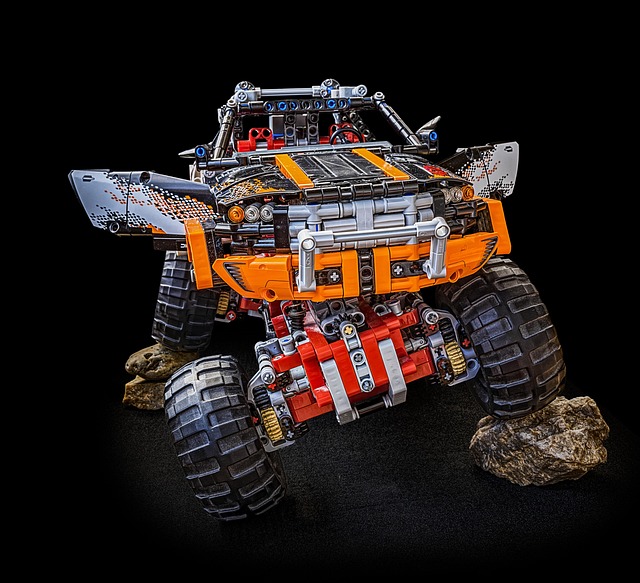
RGV wheels and tires are critical components in heavy-duty industrial applications, offering robust performance and reliable recovery solutions. This article explores the various types of RGV wheels and tires, their benefits, and how they enhance recovery operations, ensuring efficient fleet management and minimized downtime.
Introduction to RGV Wheels and Tires
In the demanding world of heavy-duty trucking and industrial transportation, RGV wheels and tires (or Recovery Vehicle/Wheel and Tire) play a pivotal role in ensuring safe and efficient operations. These specialized components are designed to withstand extreme conditions, providing exceptional grip and durability, especially during recovery and rescue missions. This article delves into the intricacies of RGV wheels and tires, highlighting their significance, types, advantages, and real-world applications.
Understanding Recovery Equipment: A Foundation for Safety
The Importance of RGV Wheels and Tires in Recovery
Recovery equipment is an indispensable asset for various industries, including construction, mining, agriculture, and emergency services. RGV wheels and tires are at the forefront of this equipment, offering enhanced traction, stability, and maneuverability on challenging terrains. Their robust design enables vehicles to navigate through mud, sand, rock, and other obstacles commonly encountered in rescue operations, ensuring faster response times and safer outcomes.
Key Features for Effective Recovery
-
Durability: RGV wheels are built to withstand heavy loads and harsh environments, ensuring longevity even under extreme stress.
-
Tread Design: Specialized tread patterns provide superior traction, allowing vehicles to ascend steep slopes and negotiate loose surfaces effectively.
-
High Load Capacity: These tires and wheels can support significant weights, making them ideal for towing and lifting operations during recovery scenarios.
-
Resistance to Puncture: RGV wheels often incorporate puncture-resistant designs or utilize specialized tire compounds to minimize flat tire risks in challenging terrain.
Types of RGV Wheels and Tires: A Comprehensive Overview
1. All-Terrain RGV Tires
All-terrain RGV tires are engineered to conquer a wide range of surfaces, from rugged mountains to muddy riverbeds. These tires feature aggressive tread patterns with deep grooves and robust sidewalls, providing exceptional traction and stability. They are commonly used in off-road recovery vehicles due to their ability to handle varying terrain conditions without compromising performance.
Key Benefits:
- Versatility: Suitable for diverse environments, from desert to forest terrains.
- High Traction: Aggressive treads excel on slippery and uneven surfaces.
- Durability: Built to withstand harsh outdoor elements.
2. Steel RGV Wheels
Steel RGV wheels are known for their strength and durability, making them a popular choice for heavy-duty applications. These wheels are designed to handle extreme loads and impact, ensuring long service life even in demanding recovery scenarios. They often feature solid construction, offering excellent resistance to damage and deflation.
Advantages:
- High Strength: Capable of withstanding extreme weights and forces.
- Puncture Resistance: Solid steel construction minimizes the risk of punctures.
- Maintenance-Free: Requires minimal upkeep due to robust design.
3. Aluminum RGV Wheels (Lightweight Option)
For operations where weight is a critical factor, aluminum RGV wheels offer a lightweight alternative without compromising strength. These wheels are crafted from high-quality aluminum alloys, providing excellent corrosion resistance and reduced fuel consumption for vehicles equipped with them. While they may not match steel wheels in terms of load-bearing capacity, they excel in applications requiring maneuverability and reduced weight.
Features:
- Lightweight Design: Significantly reduces vehicle weight, improving fuel efficiency.
- Corrosion Resistance: Aluminum alloys offer superior protection against rust.
- Cost-Effective: Generally more affordable than steel wheels while maintaining durability.
4. Specialized RGV Tires for Extreme Conditions
Some industries require RGV tires designed for extremely harsh conditions, such as deep water or extreme cold. These specialized tires incorporate unique features like hydro-dynamic designs for aquatic applications and insulating compounds to withstand low temperatures. Such tires are a testament to the versatility and adaptability of RGV equipment in meeting specific industry needs.
Use Cases:
- Deep Water Recovery: Specialized tires with high flotation capabilities.
- Arctic Operations: Insulated tires to prevent freezing and maintain traction.
- Chemical Handling: Resistant to corrosive substances for safe handling of hazardous materials.
Benefits of RGV Wheels and Tires in Recovery Operations
Implementing RGV wheels and tires offers numerous advantages in recovery scenarios, contributing to safer, more efficient operations:
-
Enhanced Safety: The improved traction and stability provided by RGV tires reduce the risk of accidents during rescue missions, ensuring the well-being of personnel.
-
Increased Efficiency: Efficient grip and maneuverability enable faster response times, allowing recovery teams to complete tasks quicker.
-
Reduced Downtime: Durable RGV wheels minimize flat tires and component failures, keeping recovery vehicles operational for longer periods.
-
Versatility: With various tire and wheel types available, fleets can tailor their equipment to specific terrain or environmental challenges.
-
Cost Savings: While initial costs may be higher, the longevity of RGV components translates into long-term cost savings due to reduced maintenance and repair needs.
Real-World Applications: Putting RGV Wheels and Tires to Use
1. Construction Site Recovery
In construction sites, heavy machinery often faces challenging terrain, debris, and varying weather conditions. RGV wheels and tires provide the necessary grip and durability to recover stuck or overturned vehicles, ensuring project delays are minimized.
2. Off-Road Exploration and Rescue
For remote areas with rugged landscapes, RGV equipment is essential for off-road exploration and rescue missions. All-terrain tires help navigate treacherous paths, while robust steel wheels support heavy recovery vehicles during critical operations.
3. Agricultural Equipment Recovery
Farmland presents unique challenges, from muddy fields to steep slopes. RGV tires equip agricultural machinery with the capability to recover from difficult situations, preventing costly delays in crop operations.
4. Emergency Services and Disaster Relief
During emergencies, such as floods or landslides, specialized RGV equipment becomes a lifeline for rescue teams. These vehicles must traverse varied terrain, often under adverse conditions, to provide aid and support, making the right wheels and tires crucial for successful missions.
Frequently Asked Questions (FAQs)
Q: How do I choose the right RGV wheel or tire for my application?
A: Consider factors like terrain type, load capacity required, environmental conditions, and budget. Consulting with industry experts can help narrow down options to ensure optimal performance.
Q: Are RGV wheels and tires expensive to maintain?
A: With proper care and regular inspection, RGV equipment can last for years with minimal maintenance. Regular tread depth checks and timely replacement of worn-out components are essential for cost-effective upkeep.
Q: Can RGV tires handle extreme temperatures?
A: Specialized RGV tires designed for extreme conditions, such as cold or hot climates, incorporate features like insulating compounds or unique tread patterns to maintain traction and performance across wide temperature ranges.
Q: Are there any environmental considerations with RGV wheels and tires?
A: Yes, certain tire compounds are eco-friendly and recyclable, while steel and aluminum wheels are durable and can be reused. Choosing sustainable options aligns with environmental responsibilities.
Conclusion:
RGV wheels and tires represent a critical component in the recovery equipment arsenal for various industries. Their versatility, durability, and specialized designs cater to diverse operational needs, ensuring safe and efficient fleet management. By investing in high-quality RGV wheels and tires, organizations can minimize downtime, reduce costs, and enhance overall productivity in their respective fields. With ongoing technological advancements, the future of RGV equipment looks promising, offering even greater capabilities for recovery operations worldwide.