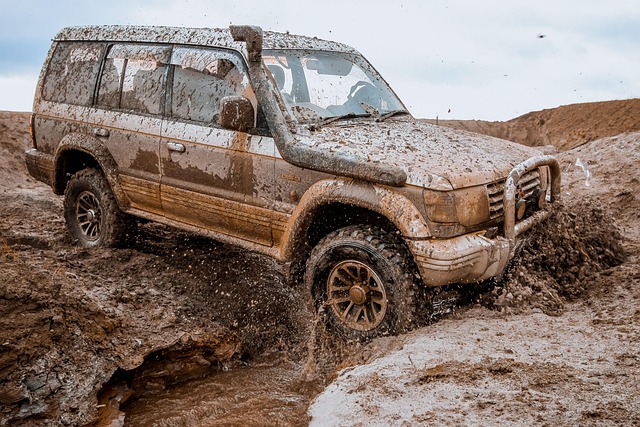
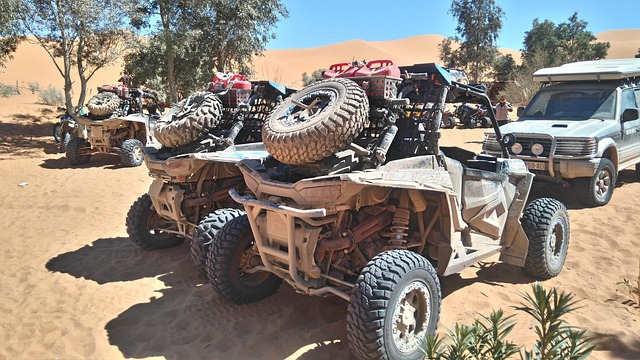
RGV wheels and tires, known for their durability and versatility, offer a range of benefits to off-road enthusiasts. This article delves into the essential role of recovery straps, a critical accessory that enhances safety and capability during challenging terrain navigation. You’ll learn how these straps work, their various types, and why they’re indispensable for any RGV tire setup.
Introduction: RGV Wheels and Tires and the Power of Recovery Straps
RGV wheels and tires are renowned in the off-road community for their robust construction and exceptional grip. Whether you’re tackling rugged trails or extreme terrain, these components provide the foundation for an unparalleled driving experience. Among the many accessories that complement RGV wheels and tires, recovery straps stand out as essential tools for safety, rescue, and getting unstuck in challenging conditions.
This guide explores the world of recovery straps, equipping you with knowledge to make informed decisions when enhancing your RGV wheel and tire setup. We’ll delve into their functionality, different types, installation, and the crucial role they play in off-road adventures.
Understanding Recovery Straps: The Lifesavers for Off-Road Vehicles
What are Recovery Straps?
Recovery straps, also known as tow straps or recovery cables, are robust, highly durable cords designed to aid in vehicle recovery and extraction. They are specifically engineered to handle the immense strain and stress encountered during towing or extricating a disabled off-road vehicle from difficult terrain.
How Do They Work?
These straps operate by providing a secure connection between a pulling vehicle (a 4×4 or truck) and a stuck or disabled vehicle. They distribute the towing force evenly, minimizing the risk of damage to either vehicle. When properly attached, the strap loops around a sturdy point on the stranded vehicle, allowing the assisting vehicle to pull it free.
Key Features:
- High Tensile Strength: Crafted from high-quality materials like steel or nylon, ensuring they withstand immense pulling forces.
- Durability and Abrasion Resistance: Designed for repeated use in harsh environments without compromising strength.
- Secure Attachment Points: Equipped with sturdy hooks, eyes, or other attachment mechanisms for reliable connections.
- Versatility: Suitable for a wide range of vehicle types and terrain conditions.
Types of Recovery Straps: Choosing the Right Fit
The market offers diverse recovery strap options catering to various off-road needs. Understanding these types will help you select the most suitable straps for your RGV wheels and tires.
1. Steel Tow Straps
These are traditional, heavy-duty metal straps featuring strong steel cables with durable bindings. They offer exceptional strength and are ideal for heavy-duty towing situations. However, they can be bulkier and heavier than other options, making them less suitable for frequent use or lighter vehicles.
2. Nylon Recovery Straps
Nylon straps provide a balance of strength and lightweight construction. They are highly flexible, easy to handle, and reduce strain on both vehicles during towing. These straps are versatile and well-suited for moderate to heavy towing tasks.
3. Winch Straps
Winch straps are specifically designed to be used with winches. They feature a loop at one end that secures to the winch and another end with an attachment point for the target vehicle. These straps offer excellent control during towing, especially in challenging terrain.
Selecting the Right Recovery Strap for Your RGV Wheels and Tires: A Guide
Choosing the appropriate recovery strap depends on several factors:
- Vehicle Weight: Heavier vehicles require stronger straps capable of withstanding higher towing forces.
- Terrain Conditions: If you frequently encounter extremely difficult terrain, consider a heavy-duty steel strap for added security.
- Frequency of Use: For occasional off-roading, nylon straps offer a cost-effective and lightweight solution.
- Budget: Prices vary widely based on material, length, and quality. Determine your budget before shopping.
Consider these guidelines to ensure you select the perfect recovery strap for your RGV setup:
- Check your vehicle’s towing capacity and choose a strap rated for a higher capacity for safety.
- Ensure the strap’s attachment points are compatible with your RGV wheels and tires.
- Consider the length needed to reach the disabled vehicle in various terrain configurations.
- Opt for a reputable brand known for quality and durability.
Installing Recovery Straps: A Step-by-Step Guide
Proper installation is crucial to ensure the effectiveness and safety of recovery straps. Follow these steps for a secure setup:
- Choose the correct attachment points: Identify sturdy locations on your RGV wheels and tires suitable for strap attachments. Look for solid metal components like lug nuts, hub caps, or specialized mounting brackets.
- Inspect strap condition: Ensure the chosen recovery strap is free of any damage, such as cuts or fraying.
- Loop the strap: Create a secure loop around the selected attachment point on your RGV. Tighten it firmly but avoid over-tightening to prevent damage.
- Attach to towing vehicle: Securely fasten the other end of the strap to your towing vehicle using its own attachment hardware. Ensure a firm connection.
- Double-check connections: Before attempting any towing, carefully inspect all connections for security and adjust as needed.
Real-World Applications: When Recovery Straps Save the Day
Recovery straps are invaluable in various off-road scenarios:
- Getting Unstuck: If your RGV wheels and tires become stuck in mud, sand, or rocky terrain, recovery straps can provide the necessary force to free them.
- Vehicle Rescue: In cases where a fellow off-roader experiences mechanical failure or gets stranded due to an accident, recovery straps enable you to offer assistance.
- Emergency Towing: Unexpected situations may arise requiring you to tow another vehicle, perhaps a broken-down 4×4 or motorcycle. Recovery straps provide a quick and reliable solution.
Frequently Asked Questions (FAQs)
1. How do I know if my RGV wheels and tires need recovery straps?
Recovery straps are essential if you frequently encounter challenging terrain, such as steep inclines, deep mud, or loose rock. They offer peace of mind, ensuring you’re prepared for unexpected situations.
2. Can I use regular car tow straps for my RGV setup?
While standard car tow straps may appear similar, they are generally not suitable for RGV wheels and tires due to the higher weight and strain these vehicles experience during towing. Invest in off-road specific recovery straps designed for robust performance.
3. How do I maintain my recovery straps?
Regular inspection is crucial. Store them in a dry, cool place away from direct sunlight and extreme temperatures. Periodically check for signs of wear and tear, and replace any damaged straps immediately to ensure their integrity when needed most.
4. Are there any safety precautions I should follow when using recovery straps?
Absolutely. Always attach the strap securely to both vehicles before towing. Avoid over-tightening to prevent damage or strain on connections. Be aware of your surroundings and other vehicles, especially in crowded off-road areas. Never tow at excessive speeds with recovery straps.
5. Can I use recovery straps for everyday driving?
Recovery straps are designed for off-road use and extreme conditions. While they can be used occasionally for light towing tasks, regular daily driving is not their intended purpose. For everyday transportation, consider specialized towing hardware designed for safer and more efficient towing on paved roads.
Conclusion: Empowering Your RGV Wheels and Tires with Recovery Straps
Recovery straps are an essential accessory for any RGV wheels and tires setup, providing a safety net during off-road adventures. Their versatility, strength, and ease of use make them indispensable tools for navigating challenging terrain. With the right recovery strap in your arsenal, you’ll gain confidence knowing you’re prepared for whatever obstacles lie ahead on your next off-road journey. Remember to choose the appropriate type, install them correctly, and maintain them properly for optimal performance when it matters most.