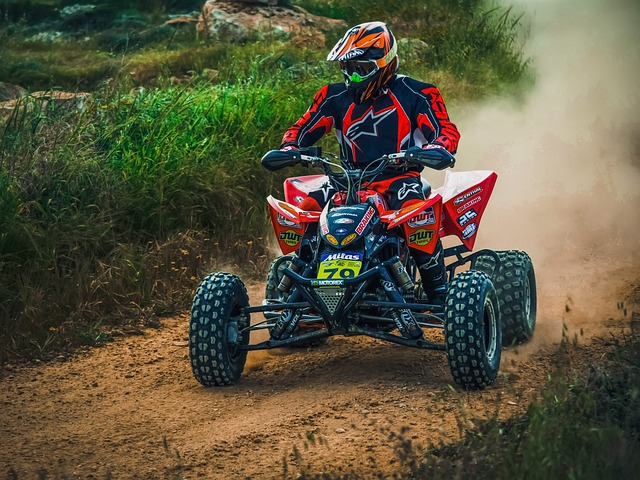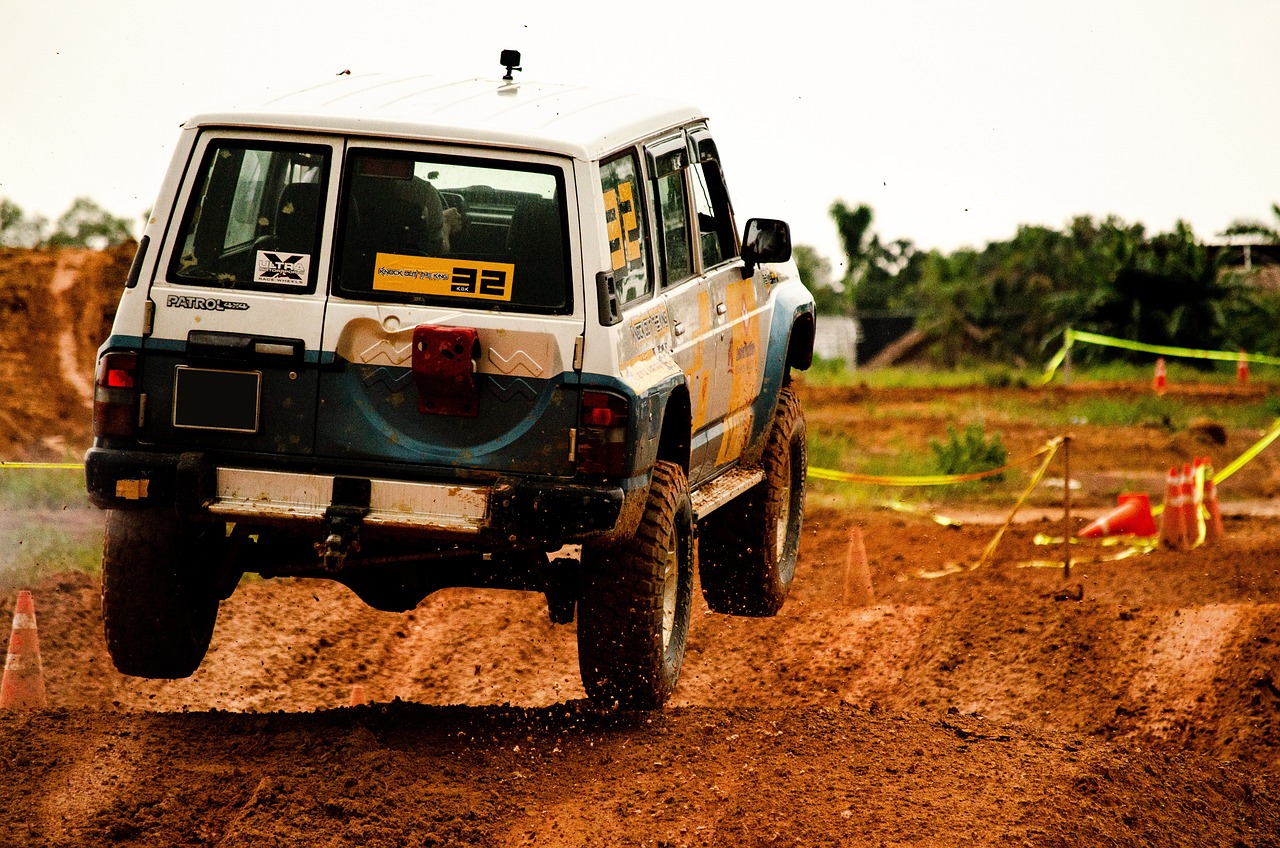
RGV wheels and tires, essential components for rugged terrain vehicles (RTVs), offer more than just mobility. This article delves into the specific advantages of integrating tow hooks into RGV wheels and tires, enhancing towing capacity and versatility for various applications, from off-road adventures to work sites. We’ll explore different types of tow hooks, their installation, benefits, and considerations for optimal performance.
Introduction: RGVs and Towing
Rugged terrain vehicles (RTVs), known for their capability to navigate challenging terrains, often come equipped with specialized wheels and tires designed to withstand harsh conditions. RGV wheels and tires, a term that combines "rugged" and "vehicle," represent this evolution in off-road mobility. Their robust construction and unique tread designs make them indispensable for adventurers, workers, and anyone navigating rugged landscapes.
But what sets RGVs apart is their potential to do more than just traverse difficult terrain—they can also tow heavy loads. This capability makes RGV wheels and tires with integrated tow hooks a game-changer for those needing to haul equipment, trailers, or other vehicles off the beaten path.
Understanding Tow Hooks: The Heavy Lifter of RGVs
What are Tow Hooks?
Tow hooks, essentially sturdy metal bars or rings, are attached to the frame or axle of a vehicle, providing a secure point for connecting towing equipment like chains, straps, or hitches. They serve as a crucial safety feature, distributing the load evenly and preventing slippage during towing.
Why Are They Crucial for RGVs?
RGV wheels and tires are designed to handle demanding off-road conditions. Tow hooks further enhance their versatility by allowing them to:
-
Tow Heavy Loads: From small trailers to larger equipment, tow hooks enable RGVs to haul significant weights, making them invaluable for construction sites, farming operations, or off-grid adventures that require transporting supplies.
-
Enhance Safety: By providing a robust connection point for towing gear, tow hooks significantly reduce the risk of accidents and cargo loss during transport.
-
Open Up New Possibilities: Integrating tow hooks opens doors to new applications for RGVs beyond just off-road driving. They become mobile work platforms capable of reaching remote locations and performing tasks that require transporting tools or materials.
Types of Tow Hooks for RGVs
Tow hooks come in various types, each suited for specific towing needs:
1. Round Tow Hooks:
- Classic design featuring a circular bar with holes for chaining.
- Offer good strength and versatility for general towing tasks.
- Ideal for securing smaller trailers or equipment.
2. J-Hooks:
- Shaped like the letter "J," providing a more curved profile for added stability.
- Excellent for heavier loads and distributing weight evenly.
- Recommended for towing larger trailers or heavy machinery.
3. Customized Tow Hooks:
- Designed specifically for particular RVG models or applications.
- Offer tailored strength, placement, and features based on individual needs.
- Ideal for specialized towing situations.
Installing Tow Hooks on RGVs
The installation process can vary depending on the vehicle model and chosen tow hook type:
General Steps:
-
Choose the Right Hook: Select a tow hook that matches your RVG’s make, model, and intended towing capacity.
-
Secure Mounting Points: Identify suitable mounting points on your RGV’s frame or axle that can support the weight of the tow hook and any anticipated load.
-
Attach the Tow Hook: Use high-quality hardware (nuts, bolts) and follow manufacturer instructions for proper installation. Ensure secure attachment by tightening according to recommended specifications.
-
Test the Setup: After installation, test the towing capacity of your RVG with the tow hook to ensure it meets your requirements.
Important Considerations:
- Load Capacity: Always check your RGV’s towing capacity and the load rating of the tow hooks to avoid exceeding safe limits.
- Mounting Strength: Ensure robust and secure mounting to prevent detachment during towing.
- Wiring and Lighting: If using a trailer, ensure proper electrical connections for lights and brakes are installed.
- Consult a Professional: For complex installations or high-load applications, consult with a specialized mechanic or RVG expert.
Benefits of RGV Wheels and Tires with Tow Hooks
Integrating tow hooks into your RGV wheels and tires offers numerous advantages:
- Increased Versatility: Transform your RGV from a capable off-roader to a mobile towing machine.
- Enhanced Work Capabilities: Haul equipment, tools, or even other vehicles to remote locations for improved productivity on job sites or during outdoor adventures.
- Cost Savings: Reduce the need for separate towing vehicles by utilizing your RGV for multiple tasks.
- Improved Safety: Securely tow loads with confidence, knowing your RGV is equipped to handle the weight and distribution.
- Customization: Choose from a variety of tow hook types to match specific towing needs and vehicle models.
Frequently Asked Questions
-
Can any tow hook be used for any RGV?
Not necessarily. Tow hooks are specifically designed for certain RVG models and towing capacities. Always choose a hook that matches your vehicle’s specifications. -
How do I know what weight my RGV can tow with tow hooks?
Consult your RVG owner’s manual or manufacturer for detailed towing information. They will provide specific weight limits for different types of towing situations.
-
Are there legal requirements for towing with RGVs?
Always check local regulations regarding towing restrictions, licenses, and required equipment (lights, brake systems).
Conclusion
RGV wheels and tires with integrated tow hooks represent a significant advancement in off-road mobility, turning these versatile vehicles into powerful workhorses capable of tackling diverse challenges. From hauling supplies to transporting heavy equipment, the addition of tow hooks opens up new possibilities for users while ensuring safety and reliability on even the most demanding terrains.