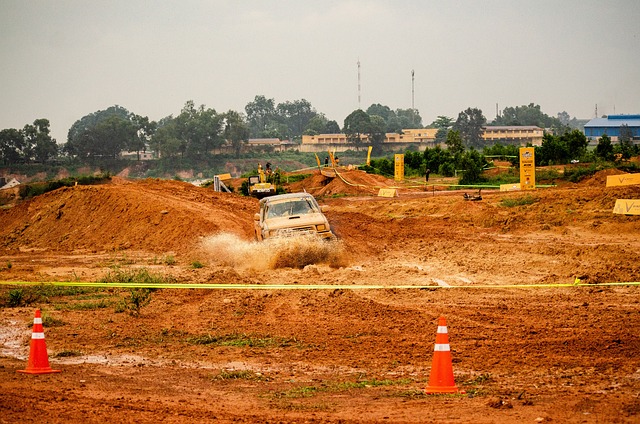
This article delves into the crucial component of off-road vehicles—RGV wheels and tires, specifically focusing on their integration with rock rails. We’ll explore how these elements work together to enhance performance, protection, and safety during extreme terrain navigation. From understanding rock rail designs to selecting suitable tires, this guide equips readers with knowledge to optimize their RGV’s capabilities for rugged adventures.
Introduction: Unlocking the Potential of RGV Wheels & Tires
For off-road enthusiasts, the rugged landscape holds endless allure. Navigating treacherous terrain demands specialized equipment, and among the most vital components are RGV wheels and tires. These aren’t your average automotive parts; they’re engineered to withstand extreme conditions, providing traction on rocky surfaces, navigating sharp turns, and enduring unexpected obstacles. This article focuses specifically on a key enhancement: rock rails and their symbiotic relationship with RGV wheels and tires.
Understanding Rock Rails: The Unseen Defenders
What are Rock Rails?
Rock rails, also known as side steps or fender protectors, are robust metal bars strategically mounted along the sides of an off-road vehicle. Their primary function is to safeguard the vehicle’s underbody and wheels from impact with rocks, roots, and other obstacles commonly found on rough terrain.
Why Are Rock Rails Essential?
In regions where off-roading reigns supreme, rock rails offer:
- Protection: They prevent damage to wheel wells, fenders, and suspension components caused by flying debris.
- Stability: By providing additional support, rock rails help stabilize the vehicle during challenging inclines and declines.
- Versatility: Rock rails allow for more aggressive tire choices, as they mitigate the risk of damage from sharp rocks and uneven surfaces.
The Synergy Between RGV Wheels, Tires & Rock Rails
The collaboration between RGV wheels and tires and rock rails is a powerful synergy designed to maximize off-road performance:
- Enhanced Traction: Robust RGV tires with deep tread patterns dig into loose soil, gravel, and rocky terrain. Rock rails ensure these critical wheels remain protected, allowing them to maintain optimal contact with the ground.
- Improved Clearance: Rock rails elevate the vehicle’s side profile, providing increased clearance between the underbody and obstacles. This allows for larger, more aggressive tires to be fitted without fear of damage.
- Reduced Wear & Tear: By deflecting impact forces away from the wheels and suspension, rock rails significantly reduce wear on tires, wheels, and other components.
Choosing the Right RGV Wheels and Tires for Rock Rails
Selecting the optimal combination requires careful consideration:
Tire Factors:
- Tread Pattern: Look for deep, aggressive tread patterns with large blocks designed to grip uneven terrain.
- Tire Size & Clearance: Ensure tire size fits your vehicle’s specifications and allows proper clearance under rock rails.
- Durability: Choose tires built for rugged conditions with reinforced sidewalls to withstand impacts from obstacles.
Wheel Considerations:
- Material: Lightweight alloy wheels are preferred for off-road vehicles as they reduce overall weight, improving performance.
- Strength & Durability: High-quality wheels should be designed to withstand the forces encountered during off-road adventures.
- Offset & Backspacing: Ensure wheel specifications align with your vehicle’s suspension system and rock rail mounting points for correct fitment.
Installation and Maintenance: Ensuring Optimal Performance
Proper Installation:
- Follow Manufacturer Guidelines: Always consult the manufacturer’s instructions for installing rock rails and RGV wheels to ensure proper alignment and security.
- Professional Help: If unsure, seek assistance from experienced mechanics or off-road specialists.
- Regular Inspection: Visually inspect rock rails and tires regularly for signs of damage or wear, addressing issues promptly.
Maintenance Tips:
- Cleaning: Keep your wheels and tires clean to prevent debris buildup that could affect traction and performance.
- Inflation Pressure: Maintain recommended tire pressure levels for optimal performance and safety.
- Rotating Tires: Rotate your tires periodically to ensure even wear patterns, extending their lifespan.
Frequently Asked Questions
1. How do rock rails differ from fender flares?
Rock rails are sturdier, more robust structures that typically extend further below the vehicle, offering superior protection against impacts. Fender flares, while often decorative, provide minimal protection against debris.
2. Can I install rock rails on my RGV if it’s already modified?
Yes, but careful consideration is needed. Ensure your vehicle’s frame and suspension can support the added weight of rock rails, and choose a mounting kit compatible with your specific modifications.
3. What tire size is best for off-roading with rock rails?
Tire size depends on your RGV model, suspension setup, and desired level of aggression. Consult a specialist or refer to your vehicle’s owner manual for recommendations tailored to your specific needs.
4. How often should I replace my tires and wheels?
Regularly inspect your tires and wheels for signs of wear and tear. Replace them as needed based on manufacturer guidelines and driving conditions. Off-road use can accelerate tire wear, necessitating more frequent replacements.
Conclusion: Conquering the Trail with Confidence
The combination of RGV wheels and tires and rock rails represents a powerful alliance for off-road enthusiasts. By protecting critical components while enhancing performance and stability, this partnership allows you to conquer even the most demanding terrain with confidence. Remember, proper selection, installation, and maintenance are key to unlocking the full potential of your RGV, ensuring many memorable adventures ahead.