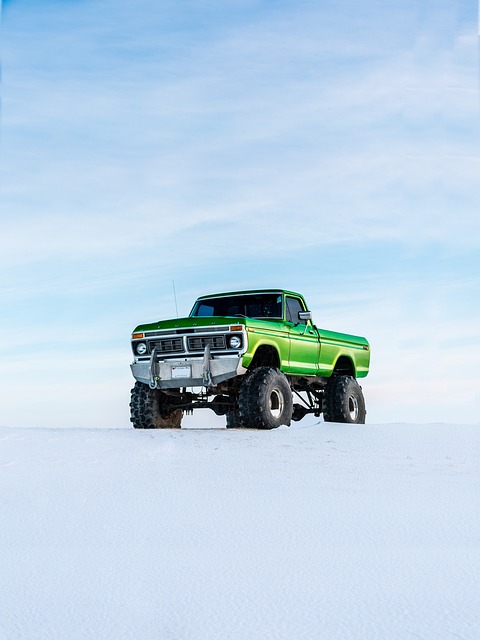
Discover the world of enhanced performance and customization with RGV wheels, tires, and lift kits designed for trucks. This guide explores the benefits of truck lift kits, offers insights into choosing the right components, and provides a step-by-step installation process to help you maximize your vehicle’s potential.
Introduction to RGV Wheels, Tires, & Lift Kits
For truck enthusiasts looking to enhance their driving experience, RGV wheels, tires, and lift kits offer a path to increased performance, improved handling, and a more aggressive aesthetic appeal. This comprehensive guide delves into the intricacies of these components, focusing specifically on truck lift kits—their purpose, benefits, selection, installation, and maintenance.
Understanding Truck Lift Kits
What are Truck Lift Kits?
A truck lift kit is a collection of mechanical components designed to raise the height of a pickup truck’s suspension. This modification allows for the installation of larger tires, improved ground clearance, and a more robust off-road capability.
Why Choose a Lift Kit?
Lift kits offer numerous advantages:
- Enhanced Off-Road Performance: Higher clearance under the vehicle allows for navigating challenging terrain with reduced risk of scraping or getting stuck.
- Improved Aesthetics: Larger tires and increased ride height create a more aggressive, off-road look.
- Increased Tire Options: Lift kits open doors to larger, more robust tires capable of handling demanding off-road conditions.
- Better Trailing Capacity: A raised suspension can increase the towing and hauling capabilities of your truck.
Types of Truck Lift Kits
Truck lift kits come in various configurations, each designed for specific needs:
Spring Over Kits:
These kits utilize coil springs and shocks to raise the vehicle. They offer a cost-effective option with reasonable ride quality but may not provide the same level of control over ride height as other types.
Hydraulic Lift Kits:
Hydraulic systems, often employing remote-control or power assist, offer precise control over ride height adjustment. They provide smoother rides and greater control during off-road adventures but are generally more expensive.
Air Ride Kits:
Air compression offers unparalleled control and customization of ride height. These kits allow for precise adjustments on the fly, making them popular among serious off-roaders who demand maximum versatility. However, they can be the most complex and costly option.
Choosing the Right RGV Lift Kit
Selecting a suitable lift kit requires careful consideration:
- Vehicle Make & Model: Ensure the kit is specifically designed for your truck make and model.
- Lift Height: Determine how much you want to raise your truck’s suspension. Consider both the desired ground clearance and the size of tires you plan to install.
- Tire Size: Choose tires that fit within your desired lift height and align with your off-roading goals.
- Budget: Lift kits vary greatly in price, from budget-friendly spring over options to premium air ride systems.
- Skill Level: Installation complexity varies. Some kits are suitable for DIY installation while others demand professional expertise.
Installing Your RGV Truck Lift Kit
A successful lift kit installation requires meticulous planning and attention to detail:
Preparation
- Research: Thoroughly understand the kit’s instructions and any potential challenges specific to your vehicle.
- Gather Tools & Materials: Ensure you have all necessary tools, including jack stands, wrenches, sockets, and any required hardware.
- Safety First: Park on a level surface, engage the parking brake, and block the wheels for safety during lifting operations.
Step-by-Step Installation
-
Remove Existing Suspension Components: Carefully disassemble the original suspension components, taking careful note of their arrangement and any necessary markings.
-
Install Lift Springs/Components: Follow the kit instructions to install the new lift springs, shocks, or hydraulic components according to the manufacturer’s guidelines.
-
Re-attach Control Arms & Other Parts: Reattach all control arms, ball joints, and other suspension components, ensuring proper alignment.
-
Test Ride and Adjust: After lowering your vehicle, take it for a test drive to ensure smooth operation and adjust any necessary settings on hydraulic or air ride systems.
Maintaining Your Lift Kit
Proper care extends the life of your lift kit:
- Regular Inspection: Check all components regularly for signs of wear, damage, or loose connections.
- Tighten Hardware: Periodically tighten suspension bolts and other fastening components to maintain optimal performance.
- Lubrication: Follow manufacturer recommendations for lubricating moving parts, such as shock absorbers.
- Tire Maintenance: Regularly check tire pressure and wear patterns, rotating tires according to the vehicle’s specifications.
Frequently Asked Questions
- Do I need a special license or registration to install a truck lift kit? Legal requirements vary by location. Check local regulations regarding off-road modifications and ensure compliance with road safety standards.
- How much weight can my lifted truck tow/haul? Consult your vehicle’s owner’s manual for the rated towing capacity after lifting. The increased ride height may affect stability, so ensure the kit is compatible with your towing needs.
- Will a lift kit void my vehicle warranty? Some manufacturers may have specific policies regarding modifications. Refer to your warranty information or consult your dealer before proceeding with installation.
Conclusion
Elevating your truck with RGV wheels, tires, and lift kits opens a world of enhanced performance, improved capability, and unparalleled off-road adventures. By understanding the different types of lift kits available, carefully selecting the right one for your needs, and following proper installation and maintenance practices, you can transform your truck into a capable and formidable off-road machine.