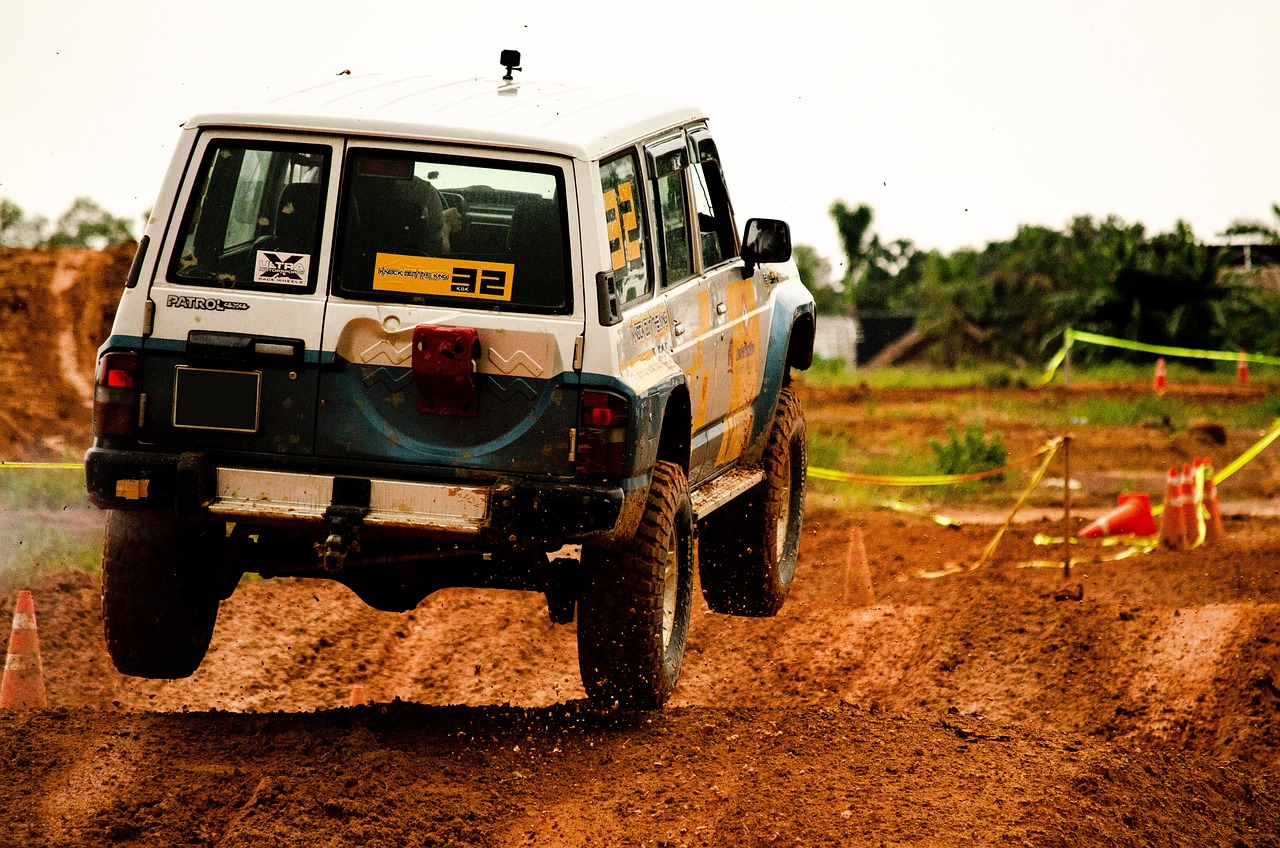
RGV wheels and tires, known for their high-performance capabilities, often require additional protection against road debris. Bumper guards, an essential accessory, shield your wheels and tires from damage, enhancing safety and maintaining the aesthetics of your vehicle. This article delves into the world of bumper guards, exploring their significance, types, installation, benefits, and common misconceptions.
Understanding RGV Wheels and Tires: A Primer
RGV (Racing Green Valley) wheels and tires are synonymous with performance and durability. These components are meticulously engineered to offer unparalleled grip, speed, and handling in racing and high-performance driving. However, their exposed nature makes them vulnerable to damage from road debris, curbs, and impact. This is where bumper guards step in as vital protectors.
What Are Bumper Guards?
Bumper guards, also known as wheel arch covers or fender flares, are protective barriers designed to shield the wheels and tires of your RGV-equipped vehicle from external impacts. They are typically made from durable materials like plastic, metal, or composite polymers, offering a robust defense against:
- Road Debris: Stones, gravel, and debris kicked up by the wheels can cause significant damage to both the wheels themselves and the surrounding body panels.
- Curbs and Edges: Accidental contact with curbs or road edges can result in dents, scratches, and even broken components.
- Impact Damage: Bumper guards act as a buffer during minor collisions or parking mishaps, preventing damage to the wheel arches and tires.
Why Are Bumper Guards Essential for RGV Wheels and Tires?
Investing in bumper guards brings several advantages:
1. Protecting Your Investment
RGV wheels and tires are often custom-made and expensive. Bumper guards significantly reduce the risk of damage, preserving their condition and extending their lifespan.
2. Enhancing Safety
By deflecting debris and absorbing impact, bumper guards contribute to overall vehicle safety, especially during high-speed driving or off-road adventures.
3. Maintaining Aesthetics
These guards not only protect but also enhance the visual appeal of your RGV wheels and tires, ensuring they remain pristine and turning heads wherever you go.
Types of Bumper Guards for RGV Wheels and Tires
The market offers a diverse range of bumper guard options tailored to different preferences and vehicle models:
1. Custom-Fit Guards
These are specifically designed to fit your RGV model, ensuring a seamless and precise installation. Custom-fit guards provide optimal protection while maintaining the vehicle's original look.
2. Universal Fit Guards
Suitable for a wide range of vehicles, universal bumper guards may require some adjustments for a perfect fit. They are cost-effective and offer decent protection.
3. Aftermarket Performance Guards
Crafted to elevate protection to the next level, these guards often incorporate advanced materials and designs. They can enhance the aggressive look of your RGV wheels, appealing to those seeking both style and performance.
Benefits of Installing Bumper Guards on Your RGV Wheels
- Increased Lifespan: By preventing damage from debris and impact, bumper guards prolong the life of your wheels and tires, saving you money in the long run.
- Enhanced Performance: Protected wheels and tires can maintain their optimal pressure and condition, leading to improved handling and speed.
- Peace of Mind: Knowing that your investment is shielded from potential damage provides peace of mind, especially when tackling challenging terrain.
- Retain Resale Value: Well-maintained RGV wheels with intact tires retain their value better, should you decide to sell or trade them in the future.
Installation: A Step-by-Step Guide
Installing bumper guards is typically a straightforward process, but it's crucial to follow these steps for the best results:
- Prepare Your Vehicle: Clean the wheel arches thoroughly to ensure optimal adhesion for the new guards.
- Remove Existing Guards (if applicable): If your vehicle has stock bumper guards, remove them carefully to expose the wheel arches.
- Position the New Guards: Align the guards with the wheels and secure them using the provided hardware or adhesive (as per manufacturer instructions).
- Test for Security: Once installed, test the guards by driving at low speeds to ensure they remain securely in place.
- Make Adjustments if Necessary: Minor adjustments might be required to achieve a perfect fit.
Frequently Asked Questions (FAQs)
-
Do bumper guards affect my vehicle's aerodynamics? Bumper guards are designed with airflow considerations in mind, ensuring minimal impact on your vehicle's overall aerodynamics. Modern guards are crafted to be sleek and streamlined, preserving the flow of air around your RGV wheels.
-
How often should I inspect and replace bumper guards? Regularly inspect your bumper guards for signs of wear, cracks, or damage. Replace them if they show significant deterioration to maintain optimal protection.
-
Can I install bumper guards myself, or do I need a professional? Most bumper guard installations are straightforward and can be done by a skilled DIY enthusiast. However, complex setups or those requiring specific trimming might benefit from professional installation for the best results.
-
Are there any legal requirements for installing bumper guards on my RGV wheels? Check local laws and regulations regarding vehicle modifications. While many areas don't have specific requirements for bumper guards, it's essential to ensure your vehicle remains roadworthy and safe.
Conclusion
Investing in bumper guards is a smart decision for any RGV wheels and tires owner. They offer much-needed protection, enhance safety, and preserve the aesthetic appeal of these high-performance components. With various options available, you can choose the perfect guard to suit your vehicle's needs and personal style. By safeguarding your RGV wheels, you ensure they perform optimally and look their best for years to come.